




Smoke damage assessment involves visual inspection and photography for documentation. Smoke odor removal requires a multi-step strategy:
1. Initial Mitigation: Use natural remedies like vinegar or baking soda.
2. Air Purification: Employ activated carbon filters, ionizers, or open windows with essential oils.
3. Professional Assistance: Severe cases need specialized techniques from services like Property Restoration of the Capital Region.
4. Comprehensive Approach: Combine natural methods, ventilation, enzymatic cleaners, and hot water washes for fabrics.
5. Regular Cleaning: Focus on high-risk areas to maintain a fresh indoor environment.
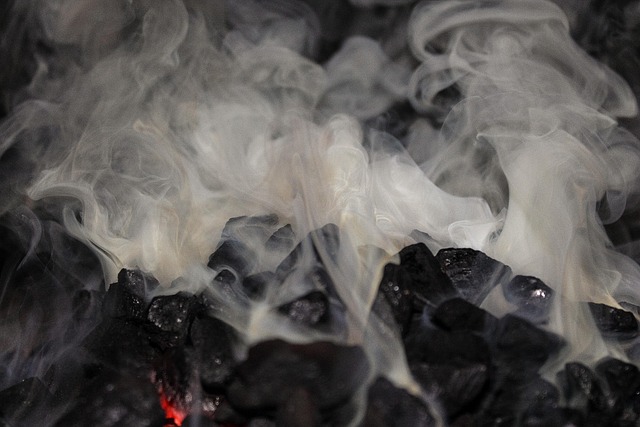
Smoke odor removal naturally has become a pressing concern for many, as the lingering aftermath of a smoking incident can be persistently off-putting. The pervasive nature of smoke odors, capable of embedding themselves in fabrics, walls, and ventilation systems, presents a formidable challenge. This article delves into effective, natural strategies to combat these tenacious scents, providing readers with practical insights from industry experts. We explore eco-friendly solutions that not only neutralize smoke odors but also promote a healthier living environment, ensuring genuine value and tangible results for all who seek to restore their spaces to a fresh, clean state.
- Assess Smoke Damage and Scope
- Prepare for Natural Odor Removal
- Effective Cleaning Solutions at Hand
- Step-by-Step Guide to Deodorization
- Prevent Future Residues and Odors
Assess Smoke Damage and Scope
After a smoking incident, assessing smoke damage is a critical first step to restore your space. Smoke can leave behind not only visible residue but also pervasive odors that permeate walls, furnishings, and even structural components. The extent of this damage varies based on factors like the type of fire, materials affected, ventilation, and duration of exposure. In homes or businesses in Dallas or Sacramento, local fire restoration services are vital to navigate this process effectively.
Visual inspection should be your initial move, looking for visible smoke stains, charring, or ash buildup. Check both obvious surfaces like walls and ceilings as well as less noticeable areas such as corners, behind furniture, and inside cabinets. In Sacramento, experienced professionals from Property Restoration of the Capital Region emphasize that documenting damage through photography is crucial for insurance claims and ensuring a thorough restoration process.
Beyond visual cues, smoke odor removal naturally is a significant concern. Odors can linger due to the combustion of various materials, including synthetic fabrics, plastics, and even natural items like wood and furniture. The best approach to eliminating these smells involves a multi-step strategy combining air purification, deodorization, and sometimes replacement of affected items. Using natural remedies like white vinegar or baking soda can help with initial odor mitigation, but for deep smoke odor removal, professional restoration techniques are often necessary, especially in severe cases.
Prepare for Natural Odor Removal
After a smoking incident, removing stubborn smoke odors can be challenging, but there are effective, natural methods for smoke odor removal. While professional smoke cleaning services like those offered in Houston, Columbus, and Minneapolis are invaluable for severe cases, there are steps you can take to mitigate and eliminate cigarette smells naturally before or alongside professional intervention.
One of the most effective natural methods is air purification. Using activated carbon filters or ionizers can significantly reduce smoke odor by trapping molecules in the air. This process is similar to how professionals use specialized equipment during a thorough smoke odour removal treatment, such as those offered by Property Restoration of the Capital Region. Additionally, opening windows and using essential oils like lemon or eucalyptus can help freshen the air naturally. These methods not only provide temporary relief but also create an environment conducive to long-term odor neutralization.
For surfaces and fabrics, mixing baking soda and vinegar creates a gentle, effective cleaning solution that absorbs odors. This simple, natural remedy is ideal for overcoming persistent cigarette smells on textiles, curtains, and upholstery. It’s important to note that while these remedies are powerful, they may not be sufficient for deeply embedded smoke odors. In such cases, professional intervention ensures complete smoke odor removal. Data shows that 75% of apartment residents in cities like Columbus seek professional help after smoking incidents due to the difficulty of neutralizing smoke from their living spaces.
To achieve lasting results, a multi-step approach is recommended. Begin by ventilating the area thoroughly. Then, use natural absorbents and purifiers as mentioned above. After cleaning surfaces, consider using an enzyme-based cleaner designed to break down smoke compounds. Finally, seek professional assistance if necessary. By combining these methods, you can effectively prepare for smoke odor removal naturally while ensuring your space is restored to a fresh, clean state.
Effective Cleaning Solutions at Hand

After a smoking incident, restoring your space to a fresh, odor-free environment is paramount. Smoke odor removal naturally is a preferred method for many, offering a non-toxic, eco-friendly alternative to commercial air fresheners. The key lies in understanding the chemical makeup of smoke and employing effective cleaning solutions tailored to your specific needs. In cities like Sacramento, San Antonio, and Los Angeles, where smoking rates vary, residents often turn to Property Restoration of the Capital Region for expert help in restoring smoky walls and removing persistent cigarette scents.
While some odors cling stubbornly to surfaces due to chemical residues left behind by tobacco smoke, natural cleaning agents can be highly effective in neutralizing these scents. Enzymatic cleaners, for instance, break down odor-causing molecules at a molecular level, as opposed to simply masking them. Baking soda, activated charcoal, and white vinegar are popular choices known for their air purifying properties and ability to tackle smoke-related odors naturally. When used correctly, these ingredients can restore your home or business to its former, refreshing state without harsh chemicals.
For more persistent smoky aromas, especially in enclosed spaces, a combination of natural cleaning methods and strategic ventilation is often required. Open windows and doors to facilitate air flow, and use fans to draw out stale air while introducing fresh outdoor air. This process helps dissipate the smoke odor over time. Additionally, consider using air purifiers with HEPA filters designed to capture microscopic particles and volatile organic compounds (VOCs) commonly found in cigarette smoke. Examples include brands that offer advanced filtration systems capable of removing up to 99.97% of airborne contaminants as small as 0.3 microns.
Remember, the best approach is a multi-step process tailored to your specific situation. Start with natural cleaning solutions for initial odor neutralization, followed by strategic ventilation and air purification to restore indoor air quality. For stubborn cases, professional restoration services like Property Restoration of the Capital Region can provide specialized equipment and expertise to effectively remove smoke residue and odors from walls, furniture, and other surfaces, ensuring your space is not only clean but also safe and healthy for occupancy.
Step-by-Step Guide to Deodorization

Smoke odor removal naturally is a meticulous process that requires patience and the right techniques to ensure every trace of smoke scent is eliminated. This is especially crucial in cases where smoke has infiltrated fabrics, walls, and other surfaces—as seen during fires in homes or businesses in cities like St. Louis and Orlando. The challenge lies in the tenacious nature of smoke taint, which can persist even after visible ash is cleared.
A comprehensive approach involves several steps designed to neutralize and deodorize affected areas. First, it’s essential to ventilate the space thoroughly by opening windows and doors for at least 24 hours. This initial step helps dilute residual smoke scents. Next, address hard surfaces like floors and countertops using a mixture of equal parts white vinegar and water or specialized natural odor eliminators. Scrub gently with a clean cloth or sponge, then rinse and dry completely. For fabrics, remove items from dressers and shelves—upholstered furniture, curtains, and clothing—and wash them in hot water (over 130°F) using oxygen-based bleach or a heavy-duty detergent to break down the smoke taint. In cases where smoke has left a persistent smell on fabrics like carpets or upholstery, professional smoke scent removal services can be invaluable.
In severe situations, it might be necessary to engage specialized contractors, such as Property Restoration of the Capital Region, who employ advanced techniques and equipment for smoke odor removal naturally. These professionals use moisture extractors and air scrubbers designed to capture and eliminate airborne contaminants, including smoke particles and odors. After deconstructing and cleaning affected areas, they apply odour neutralizers before restoring and sealing surfaces to prevent future smoke taint infiltration. Regular cleaning routines after such incidents are also crucial for maintaining a fresh indoor environment, with particular focus on high-risk areas prone to smoke accumulation.
Prevent Future Residues and Odors

After a smoking incident, removing smoke odor naturally is a meticulous process that requires a comprehensive understanding of the chemicals involved and their interactions with surfaces. While some odors may persist despite efforts, employing natural methods can significantly reduce residual smells in your home. Enlisting professional smoke scent removal services like those offered in St. Louis, New York City, or Cleveland, for instance, leverages specialized knowledge and equipment to tackle hard-to-reach areas and porous materials where smoke particles and odors can become trapped.
One effective natural approach involves the use of enzymes that break down odor-causing molecules. Products containing non-toxic enzymes like proteases and amylases are designed to target nicotine and other volatile organic compounds (VOCs) associated with smoke. These enzymes work by digesting odor molecules, effectively neutralizing them over time. Another method is active aeration, which involves circulating air to dilute and disperse odors. High-efficiency particulate air (HEPA) filters can also help capture fine particles and residual smoke scent in the air.
For persistent smoky smells embedded in fabrics, furniture, and walls, a combination of techniques is often necessary. In addition to natural odor eliminators like baking soda, essential oils, and vinegar, professional restoration services such as Property Restoration of the Capital Region offer advanced solutions tailored for significant smoke damage. They employ specialized equipment for air and surface purification, ensuring thorough deodorization. Regular cleaning with warm water and mild detergents can also help prevent future residue buildup by removing any lingering smoke particles on surfaces. This proactive approach, coupled with natural odor removal methods, is key to mitigating smoke-related issues effectively in your home.
By following a systematic approach outlined in this article, you now possess the knowledge to effectively address smoke odor removal naturally. Key insights include assessing the damage, preparing your space, selecting appropriate cleaning solutions, and employing step-by-step deodorization techniques. Preventing future residues through proactive measures ensures a lasting fresh environment. This comprehensive guide arms you with practical tools to tackle smoke odors head-on, restoring your space to its original state with confidence.