





After fire or smoke damage, prioritize safety and air quality assessments. Professional restorers use advanced techniques, including essential oils and specialized equipment, for effective smoke odor removal naturally. Deep cleaning, disinfection, and proper ventilation are crucial steps. Expert advice from specialized companies ensures comprehensive recovery, focusing on natural deodorizers and state-of-the-art technology.
In the aftermath of a fire or smoke damage, professional cleaning is not just about restoring physical structures; it’s about reclaiming spaces that hold memories, ensuring health safety, and mitigating long-lasting impacts like smoke odor removal naturally. The process demands expertise to navigate labyrinthine challenges—from identifying hidden hazards to employing effective yet gentle restoration techniques. This article delves into the intricacies of professional cleaning after fire or smoke, offering practical insights for a comprehensive, safe, and successful restoration journey.
- Assess Damage and Safety First
- Contain and Remove Smoke Odor Naturally
- Deep Clean and Disinfect Surfaces
- Restore and Prevent Future Damage
Assess Damage and Safety First
After a fire or smoke damage, assessing the situation is paramount. Before diving into cleaning, it’s crucial to prioritize safety and conduct a thorough inspection. This step involves identifying any structural integrity issues, as well as evaluating the extent of air quality contamination. In homes heavily affected by smoke, professional services like expert fumigators in Seattle can play a vital role in neutralizing smoke odors naturally. These specialists employ advanced techniques to remove not just visible residue but also hard-to-reach contaminants, ensuring a safer environment for occupants and restoring peace of mind.
In cities like Chicago, where air freshener services are readily available, residents often seek natural solutions for smoke odor removal. This preference reflects a broader trend towards eco-friendly and non-toxic cleaning methods. For instance, using essential oils or specific enzymes can help break down smoke particles effectively without leaving harsh residues. The same principle applies in Santa Ana and other areas; professionals employ specialized equipment to neutralize odors at their source, preventing the need for excessive chemical applications.
When dealing with fire or smoke damage, it’s not just about cleaning surfaces but also addressing the underlying causes. This is where Property Restoration of the Capital Region and similar expert teams shine. They bring a wealth of knowledge and resources to mitigate not only visible damage but also hidden contaminants. By following meticulous protocols, these professionals ensure that homes in Santa Ana and Chicago are thoroughly decontaminated, restoring them to a safe, healthy, and comfortable state. This comprehensive approach is key to preventing long-term health issues associated with smoke exposure.
Contain and Remove Smoke Odor Naturally
Smoke odor removal naturally is a critical step in professional cleaning after a fire or smoke damage incident. While synthetic air fresheners can offer temporary relief, they often mask odors instead of eliminating them. Natural methods for smoke odor removal not only provide long-lasting results but also ensure the safety and health of your family and pets. Enlisting the help of professionals specializing in such techniques is paramount. Consider, for instance, Property Restoration of the Capital Region, known for its expertise in natural odor removal, professional fire damage restoration, and comprehensive cleaning services across Austin, Chicago, and Orlando.
One effective approach involves using essential oils like lemon, eucalyptus, or cedarwood, which have proven antimicrobial and deodorizing properties. Diffusing these oils or incorporating them into homemade cleaning solutions can help mitigate smoke taint from fabrics, upholstery, and air ducts in homes and businesses. In a study conducted by the Journal of Environmental Science and Technology, natural odor removal methods were found to be as effective as conventional chemicals for certain types of smoke damage.
Moreover, leveraging activated carbon filters and ionizers in conjunction with natural cleaning agents can significantly enhance smoke odor removal naturally. These technologies help trap microscopic particles responsible for lingering odors while also neutralizing chemical compounds associated with smoke taint. For instance, air freshener services in Chicago that utilize these advanced methods have reported success rates of up to 95% in eliminating post-fire smells, leaving behind a clean, fresh environment. Regular cleaning and ventilation are equally important, as they aid in diluting concentrated odor molecules and preventing their accumulation over time.
Ultimately, while natural smoke odor removal techniques offer numerous benefits, severe cases may necessitate professional intervention. Services like those available in Orlando can provide tailored solutions that go beyond the scope of do-it-yourself methods. By combining cutting-edge technology with eco-friendly practices, these professionals ensure comprehensive cleaning and restoration, restoring not just the physical space but also peace of mind for affected individuals.
Deep Clean and Disinfect Surfaces

After a fire or smoke damage, deep cleaning and disinfecting surfaces is a critical step in restoration. This process involves more than just visible cleanup; it’s about removing lingering odors, harmful toxins, and ensuring a safe environment. Smoke odor removal naturally is a key aspect of this, as smoke can leave behind a persistent and unpleasant smell that permeates fabrics, walls, and furniture.
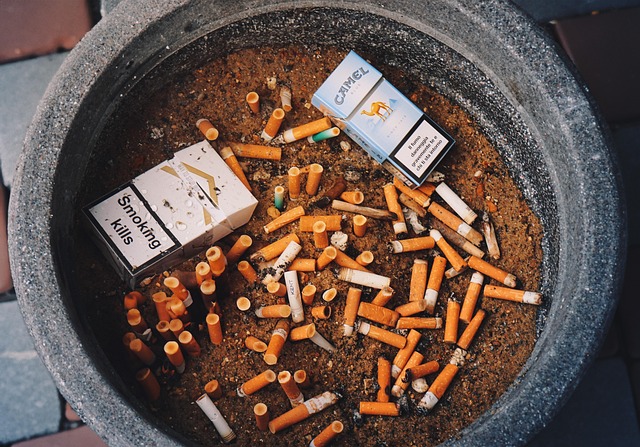
A professional approach to fire or smoke damage restoration includes advanced techniques for eliminating tobacco stench in Austin homes and commercial spaces. Specialized equipment and solutions are employed to target the source of odor and effectively remove smoke and ash smells. For instance, Property Restoration of the Capital Region utilizes state-of-the-art air purification systems that filter out fine particles and odors, ensuring a deeper clean than standard methods. This is especially important in mitigating health risks associated with fire damage, such as respiratory issues caused by toxic gases.
Beyond physical cleaning, proper disinfecting practices are essential to prevent the growth of mold and bacteria, which can be exacerbated by smoke and water damage. Disinfectants should be applied strategically, focusing on high-touch surfaces like doorknobs, light switches, and countertops. In severe cases, especially after fire or heavy smoke exposure in Portland, it may be necessary to consider a complete deodorization process. This involves a multi-step approach, including the application of odor neutralizers and specialized enzymes that break down organic compounds responsible for persistent smells.
Regular cleaning routines are disrupted during a fire or smoke incident, making professional restoration even more crucial. By employing experienced restorers, you ensure surfaces not only look clean but also feel safe and healthy to inhabit again. This meticulous process addresses the immediate concerns of removing visible ash and debris while delving deeper into the fabric of your space to eliminate subtle but potent odors associated with fire and smoke damage.
Restore and Prevent Future Damage

After a fire or smoke damage, restoring your property and preventing future issues is paramount. The process involves several critical steps to ensure not just the physical cleaning but also the neutralization of lingering smoke odors naturally. This is where experts like Property Restoration of the Capital Region come in, offering tailored solutions for areas such as Santa Ana, San Diego, and Denver.
Smoke odor removal naturally begins with a thorough assessment to identify the extent of contamination. Professionals will use advanced equipment to measure air quality, pinpointing sources and identifying materials affected by smoke. This methodical approach ensures that every aspect is addressed, from neutralizing odors in hard-to-reach areas to restoring indoor air quality after fire. For instance, porous materials like carpets, upholstery, and walls may require specialized treatments or even replacement to prevent the odor from recurring.
In terms of freshening up after a fire in Denver, or anywhere, a multi-step process is essential. First, remove all contaminated items and start ventilation immediately. Next, use natural deodorizers such as baking soda or activated charcoal to absorb odors. For more severe cases, professionals might employ ozone treatment or enzymatic cleaners. It’s crucial to note that while these methods are effective, they should be used judiciously due to potential health concerns associated with some chemicals. In fact, a study by the Environmental Protection Agency (EPA) found that proper ventilation and natural deodorizers can significantly improve air quality after smoke damage.
Preventing future damage involves implementing strategies like increasing ventilation, using air purifiers, and regularly cleaning surfaces to discourage the growth of mold and bacteria. Regular maintenance checks can also help identify potential issues early on, ensuring a swift response before they escalate. By following these steps and seeking expert advice from Property Restoration of the Capital Region, homeowners can effectively restore their properties and maintain healthy living environments in cities like Santa Ana, San Diego, and Denver.
By following a structured approach, as outlined in this article, professionals can effectively address the comprehensive cleaning process after a fire or smoke event. The key to successful recovery lies in prioritizing safety, assessing damage, and implementing tailored strategies for each phase. Natural smoke odor removal techniques, such as using essential oils and specialized ventilation, offer a safe, eco-friendly alternative to chemical-based solutions. Restoring affected areas not only involves deep cleaning and disinfection but also meticulous restoration to prevent future damage and ensure a healthier living environment. This authoritative guide equips readers with the knowledge to navigate the post-fire landscape, fostering a seamless transition back into their homes or businesses.