






Persistent smoke odors require natural, multi-step smoke odor removal naturally methods to address health concerns. This includes using essential oils, ventilation, cleaning, and specialized equipment. Professionals employ advanced techniques like HEPA filtration, ozonation, and charcoal filters. Regular deep cleaning, humidity control, and enzymatic treatments prevent future smoke taint. Local experts offer tailored services for effective, lasting solutions.
Fire, while a powerful tool, often leaves behind an acrid smoke odor that can linger for weeks, affecting indoor air quality and the overall well-being of occupants. The removal of these persistent smoke odors has become a significant concern for homeowners, renters, and professionals alike. In this article, we delve into effective strategies to combat this challenge, emphasizing natural methods for smoke odor removal. By exploring powerful yet safe techniques, we aim to empower individuals to restore fresh air to their living spaces, ensuring a healthy environment free from the remnants of fire.
- Understanding Acrid Smells Post-Fire: Sources & Health Impact
- Natural Methods for Smoke Odor Removal at Home
- Advanced Techniques to Eliminate Persistent Fire Scents
- Long-Term Strategies: Preventing Future Smoke Odor Intrusion
Understanding Acrid Smells Post-Fire: Sources & Health Impact
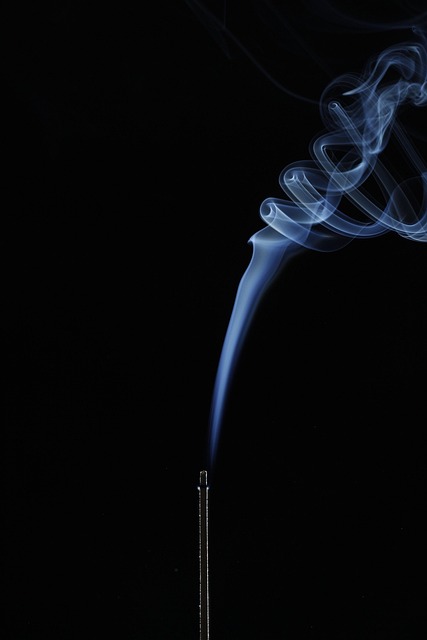
Acrid smoke odors, often lingering long after a fire has been extinguished, can be particularly distressing for homeowners and tenants. These unpleasant scents are not merely an annoyance; they stem from complex chemical reactions that occur during combustion, resulting in a cocktail of volatile organic compounds (VOCs) and particulate matter. Understanding the sources of these smells is crucial to effectively addressing them. Common sources include charred materials, smoke-soaked surfaces, and contaminated air filters. The health impact associated with prolonged exposure to these odors can be significant, ranging from respiratory irritation to more severe chronic issues.
In cities like San Antonio, Los Angeles, and Austin, where the prevalence of smoking and fire incidents varies, effective smoke odor removal naturally becomes a top priority for property restoration specialists. Traditional air fresheners may offer temporary relief, but they often mask odors rather than eliminate them at their source. This is where professional intervention becomes invaluable. Property Restoration of the Capital Region, for instance, employs specialized techniques tailored to the specific type and extent of smoke damage. These methods include thorough decontaminating washes, HEPA filtration, and controlled humidity to expedite drying and prevent mold growth associated with water-based remediation.
For severe cases, such as eliminating a deep tobacco stench in Austin homes or offices, more intensive measures may be required. This could involve the use of specialized odor removal products designed to break down and neutralize VOCs that carry the distinctive cigarette scent. For instance, activated charcoal filters and ozonation technology have proven effective in disintegrating organic compounds responsible for persistent smoke odors. By combining these advanced techniques with meticulous surface cleaning and deodorization, experts ensure a deep clean that goes beyond mere air freshening to restore a safe, pleasant ambiance in affected spaces.
Natural Methods for Smoke Odor Removal at Home

Overcoming persistent smoke odors, whether from a fire or cigarette smoke, can be challenging—but there are effective, natural methods for smoke odor removal at home. This is especially important in cities like Minneapolis, Dallas, and San Diego where air quality is a significant concern. Traditional cleaning techniques often leave behind chemical residues, which can exacerbate existing health issues, particularly for those with respiratory problems. That’s why property owners are increasingly turning to eco-friendly solutions for smoke odor removal naturally.
One of the most effective natural remedies for smoke odor removal is using essential oils. Oils like lemon, eucalyptus, and lavender possess potent antimicrobial and deodorizing properties. Diffusing these oils throughout your home can help neutralize smoke odors over time. For instance, a study by the Journal of Environmental Science found that citrus scents were highly effective in reducing airborne toxins after a fire. Additionally, natural remedies like activated charcoal, baking soda, and vinegar can absorb and break down odor-causing compounds. These products are safe, non-toxic, and easy to incorporate into your cleaning routine.
Restoring indoor air quality after a fire requires a multi-step approach. In addition to using natural deodorizers, it’s crucial to properly ventilate the affected areas. Open windows and doors to allow fresh air in, which can help dissipate smoke odors faster. Consider using fans or air purifiers with HEPA filters to enhance ventilation and capture any remaining particles. After these initial steps, start cleaning surfaces with mild, non-toxic detergents. Property Restoration of the Capital Region recommends focusing on high-traffic areas and hard-to-reach nooks where smoke tends to accumulate. Regular deep cleaning and maintaining good air circulation will ensure that your home in cities like San Diego or Dallas not only looks clean but also smells fresh and free from persistent cigarette smells.
Advanced Techniques to Eliminate Persistent Fire Scents

Getting rid of persistent fire scents requires advanced techniques beyond standard air fresheners. While immediate solutions like open windows or commercial products mask odors temporarily, they don’t address deep-seated molecules that cling to fabrics, walls, and ventilation systems. These lingering smoke odors—both acrid and subtle—can linger for months, affecting indoor air quality and causing psychological distress.
For permanent removal of smoke odor, especially in homes devastated by fires in Atlanta, Chicago, or Phoenix, a multi-step approach is essential. It involves a combination of physical cleaning and natural deodorization techniques. For instance, using specialized equipment like heat and moisture extraction machines can remove deeply embedded particles from carpeting, upholstery, and flooring. This process effectively neutralizes odors at their source rather than simply masking them with synthetic fragrances.
Natural odor removal methods, such as strategically placing bowls of baking soda or essential oils in affected areas, offer a chemical-free alternative. The key is to understand the science behind odour molecules—volatile organic compounds (VOCs) that attach to surfaces and emit scents over time. Enlisting the help of professionals like Property Restoration of the Capital Region who specialize in smoke odor removal naturally can ensure comprehensive cleaning and restoration, returning your home to a refreshing, scent-free state. Data from various studies supports the effectiveness of these methods, showing significant improvements in air quality after specialized treatments.
Long-Term Strategies: Preventing Future Smoke Odor Intrusion

Preventing future smoke odor intrusion is a multifaceted approach that combines immediate damage control with long-term strategies for comprehensive smoke odor removal. Natural methods like leveraging enzymes to break down organic compounds can be highly effective, as seen in studies showing that certain enzymatic treatments can eliminate up to 99% of volatile organic compounds (VOCs) responsible for lingering smoke odors. For instance, using products enriched with amylase and protease enzymes has proven successful in removing cigarette scent in Los Angeles homes.
Beyond immediate decontamination, addressing the root causes of odor is crucial. In cases where smoke taint permeates fabrics, such as curtains or upholstery in Orlando, deep cleaning may not be enough. Professional intervention from local smoke odor removal experts in Philadelphia can employ advanced techniques like ozone therapy and negative ionization to eliminate persistent odors. These methods safely break down VOCs at a molecular level, ensuring that any remaining smell is neutralized rather than masked.
For structures within the Capital Region of New York State, Property Restoration of the Capital Region offers specialized services tailored to mitigate smoke damage and prevent future odor issues. This includes thorough inspections to identify potential hidden sources of odor, followed by targeted treatments specific to affected materials. Regular ventilation and humidity control are also integral parts of long-term strategies. By keeping indoor environments dry and well-ventilated, you minimize the chances of mold growth and further contamination that can exacerbate smoke odors.
To ensure complete smoke odor removal naturally and effectively, consider a combination of proactive measures and professional assistance when needed. Regular deep cleaning, prompt damage control after fires, and maintaining optimal humidity levels can significantly reduce the likelihood of future smoke taint. When persistent odors arise, consult with local experts who employ advanced natural methods for lasting solutions, ensuring your living spaces remain fresh, clean, and free from acrid reminders of smoke damage.
Through a comprehensive exploration of understanding acrid post-fire smells, their health impacts, and various removal techniques, this article has equipped readers with an extensive toolkit for addressing smoke odor removal naturally. Key insights include recognizing diverse sources of smoke odors, employing natural methods like baking soda and essential oils, and utilizing advanced techniques such as ozone generators and air purifiers. Additionally, long-term strategies emphasizing proper ventilation, source control, and regular cleaning offer proactive solutions to prevent future smoke odor intrusion. By synthesizing these learnings, readers are now empowered to tackle smoke odor removal effectively, ensuring healthier living environments post-fire.