


Fire damage restoration involves multi-step processes addressing physical repairs, smoke impacts, and contamination. Key steps include initial assessment, debris removal, advanced techniques for smoke odor removal naturally (e.g., air scrubbing, activated carbon filters, essential oils), structural repairs, and maintenance of clean environment. Natural methods like cross-ventilation, essential oils, baking soda, and regular cleaning aid in smoke deodorization. Professional services are required for severe damage, focusing on specialized equipment, knowledge, and containment measures tailored to urban challenges (e.g., cigarette scent removal in Los Angeles). Effective restoration revitalizes spaces, offering a fresh start for affected families.
Fire damage restoration is a critical process that ensures safety, preserves property value, and restores comfort to affected individuals. The aftermath of a fire often leaves behind not only physical destruction but also persistent smoke odors that can be challenging to eliminate. Many conventional methods rely on harsh chemicals, raising concerns about indoor air quality. This article delves into the top-rated, natural approaches for effective smoke odor removal, offering proven strategies to restore environments affected by fires while ensuring a healthier living space. Our expertise guides you through these innovative solutions, providing genuine value in navigating this delicate process.
- Understanding Fire Damage Restoration Process
- Assessing Smoke and Soot Damage
- Safe Removal of Burnt Debris
- Natural Solutions for Smoke Odor Removal
- Restoring Structural Integrity After Fire
- Reclaiming Your Home Post-Fire Disaster
Understanding Fire Damage Restoration Process
Fire damage restoration involves a complex process designed to not only repair physical structures but also address the lingering impacts of smoke and fire. Understanding this process is crucial for homeowners and business owners alike, as it dictates how effectively their properties can be recovered after a fire. The initial step focuses on assessing the extent of damage, including structural integrity, and identifying potential hazards that require specialized attention. This phase is critical because it determines the restoration strategy moving forward.
Once safety is secured, the real work begins. Restoration specialists begin by removing charred debris and cleaning surfaces to prevent further contamination. In cases where smoke odor removal naturally is required, professionals employ advanced techniques such as air scrubbing and odour-neutralizing products to eliminate persistent smells. This step is particularly important in areas like Dallas, Chicago, and Denver, where freshening the air spaces post-fire becomes a top priority for residents. For instance, Property Restoration of the Capital Region has successfully handled numerous cases, demonstrating that effective restoration can transform affected areas into welcoming, safe environments once again.
The next stage involves repairing or replacing damaged items, from structural elements to personal belongings. This phase requires meticulous planning and often includes specialized services like water damage restoration, mold remediation, and wood refinishing. In Denver, for example, where fire seasons are more intense, residents frequently seek freshen-up services after fires to restore their homes to pre-disaster conditions. Restoration experts coordinate these efforts, ensuring that every aspect of the property is addressed comprehensively.
Throughout the restoration process, maintaining a clean and safe environment is paramount. This includes regular testing for air quality and ensuring that all materials used are non-toxic. In Chicago, with its bustling urban landscape, freshening up after fire becomes an art, requiring professionals to balance swift restoration with meticulous attention to detail. By following these comprehensive steps, residents can expect their homes and businesses to not only be restored but also revitalized, ready to welcome new memories in what was once a damaged space.
Assessing Smoke and Soot Damage

After a fire, assessing smoke and soot damage is crucial for a comprehensive fire damage restoration process. The persistence of smoke odor can be particularly challenging, as it lingers in fabrics, walls, and ventilation systems long after the flames have been extinguished. A common concern among homeowners in densely populated areas like New York City, Dallas, and Santa Ana is how to effectively remove smoke odor naturally, ensuring fresh and clean spaces.
Property Restoration of the Capital Region offers expert advice on tackling this issue head-on. Our professionals emphasize that addressing smoke damage involves more than just cleaning visible residues; it requires sophisticated techniques to neutralize and eliminate the subtle yet persistent odors associated with fires. In heavily affected areas like Dallas, where homes may require freshen air spaces post-fire, we employ a multi-step approach. This includes thoroughly inspecting the property for hidden soot deposits, using specialized equipment to detect odor sources, and implementing advanced air purification systems.
The process of smoke odor removal naturally involves a combination of physical cleaning and natural deodorization methods. In Santa Ana or similar coastal regions, where outdoor air quality plays a role in odor control, we recommend opening windows and doors to facilitate cross-ventilation. Additionally, using activated carbon filters or essential oils like lemon or eucalyptus can help absorb and mask lingering smoke scents. It’s important to note that while these natural methods are effective for minor cases, more severe smoke damage may necessitate professional intervention to ensure thorough neutralization.
In conclusion, assessing and mitigating smoke and soot damage requires a deep understanding of the unique challenges posed by different environments. Whether in New York City, Dallas, or Santa Ana, Property Restoration of the Capital Region stands ready to provide tailored solutions. By combining advanced technology with natural deodorization techniques, we help restore homes to their pre-fire condition, ensuring fresh air spaces and peace of mind for affected residents.
Safe Removal of Burnt Debris

The safe removal of burnt debris is a critical step in fire damage restoration, ensuring not only the physical safety of restoration professionals but also minimizing secondary damage and lingering odors. After a fire, the remains can include hazardous materials like melted plastics, charred insulation, and toxic fumes from burning materials. Professional restorers employ specialized equipment and techniques to remove this debris effectively while adhering to strict safety protocols. For instance, high-efficiency particulate air (HEPA) vacuums are used to capture fine ash and smoke particles, preventing their dissemination into living spaces.
In urban centers like Los Angeles, where cigarette scent removal is a common challenge, restorers employ advanced deodorization methods to combat the persistent odor of smoke. Natural solutions such as activated carbon treatment and essential oil-infused air purifiers can help mitigate these odors without resorting to harsh chemicals. In Columbus, for instance, restoration companies have successfully neutralized smoke in apartments by implementing a combination of enzymatic cleaners and ozone therapy, which breaks down odor molecules at their source. Similarly, in Denver, post-fire remediation often involves freshening up spaces after fire damage, with restoration experts using advanced ventilation systems to flush out lingering fumes and replace the air with fresh, clean supplies.
When undertaking smoke odor removal naturally or addressing specific challenges like cigarette scent removal Los Angeles, it’s crucial to engage a reputable property restoration service from the Capital Region. These professionals are equipped not only with state-of-the-art equipment but also with in-depth knowledge of industry standards and best practices. They understand that effective debris removal and odor neutralization require meticulous attention to detail, proper protective gear, and adherence to environmental regulations. By partnering with experts like Property Restoration of the Capital Region, property owners can be confident in the thoroughness and safety of the restoration process, ensuring their living spaces return to a clean, healthy, and smoke-free environment.
Natural Solutions for Smoke Odor Removal
Smoke odor removal is a significant challenge after a fire, but there are effective natural solutions to restore your space. While professional restoration services like Property Restoration of the Capital Region are invaluable for comprehensive repairs, addressing smoke odor naturally can be a beneficial first step and cost-effective complement. The key lies in understanding that different materials absorb and emit odors at varying rates; natural methods target these substances directly. For instance, activated carbon filters have long been used to neutralize odors due to their high porosity, effectively trapping volatile organic compounds (VOCs) responsible for smoke smells.
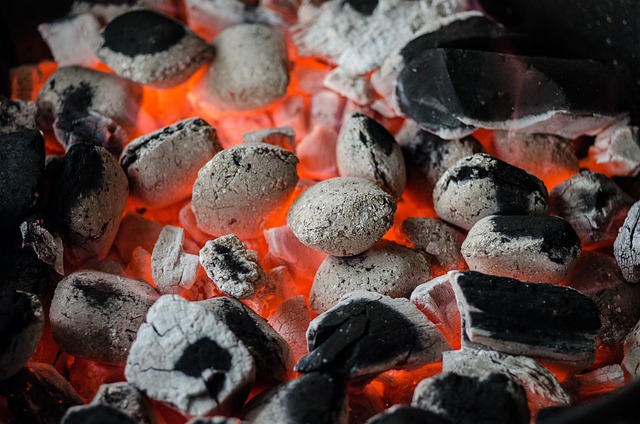
In urban centers like New York City, where buildings and homes are tightly sealed, natural smoke odor removal is especially pertinent. Traditional air fresheners can only mask odors temporarily; they don’t address the source. In Cleveland or Chicago, where residents have dealt with smoky air from nearby wildfires, adopting natural strategies for smoke odor removal in homes becomes crucial. Methods such as using essential oils known for their deodorizing properties—like lemon, lavender, and tea tree—can be effective when diffused throughout affected areas. Additionally, natural remedies like baking soda or charcoal can absorb residual odors from surfaces; these materials are safe, non-toxic, and readily available.
Beyond immediate solutions, ensuring proper ventilation is essential. Opening windows and doors allows fresh air to circulate, diluting trapped smoke particles. Employing fans and dehumidifiers can expedite the process, especially in larger spaces. Regular cleaning with natural, odorless detergents further reduces scent persistence. While these natural approaches offer a strong foundation for smoke odor removal, they may not be sufficient for deeply ingrained smells. In such cases, professional restoration services are advised to mitigate health risks associated with lingering contaminants, ensuring your living space returns to a fresh, safe state.
Restoring Structural Integrity After Fire

Restoring structural integrity after a fire is a meticulous process requiring specialized knowledge and equipment to ensure safety and prevent further damage. The initial steps involve assessing the extent of the fire’s impact on the building’s structure, including solidifying charred or weak areas to avoid collapse during restoration efforts. This critical phase demands professional expertise to identify hidden damage, such as weakened floors or compromised load-bearing walls, often not immediately apparent to untrained eyes.
One of the most challenging aspects of post-fire restoration is mitigating smoke odor removal naturally. Smoke can leave persistent and unpleasant odors that permeate walls, furniture, and even structural materials. While chemical deodorization methods are available, many experts prefer natural solutions like using essential oils or specialized air purifiers to freshen up after fire Denver residents often rely on. Property Restoration of the Capital Region, for instance, has successfully restored homes in Sacramento, employing techniques that restore smoky walls without harsh chemicals. This approach not only ensures a healthier living environment but also aligns with the growing preference for eco-friendly restoration practices.
Additionally, professional fire damage deodorization Portland services employ advanced technology to eliminate odors at their source. These methods include using specialized ventilators and air scrubbers that remove contaminated air, replacing it with fresh, odorless air. This comprehensive approach ensures not only the removal of smoke odors but also the restoration of indoor air quality, a crucial consideration for the health and well-being of residents returning to their homes after a fire. By combining structural integrity repairs with effective deodorization techniques, such as those offered in Portland or Sacramento, homeowners can restore their properties to their pre-fire condition, providing peace of mind in the aftermath of such a traumatic event.
Reclaiming Your Home Post-Fire Disaster
Reclaiming your home after a fire disaster is an emotional yet critical process that demands meticulous attention to detail. Beyond the initial shock and damage assessment, restoring living areas involves addressing smoke odor removal naturally—a crucial step in recuperating both the space and its inhabitants’ well-being. The impact of smoke and burnt materials can linger long after the flames are extinguished, especially in cities like Houston, Austin, and Los Angeles, where homes may require specialized care to eliminate persistent tobacco stench in Austin or cigarette scent in Los Angeles—a challenge that calls for professional expertise.
Property Restoration of the Capital Region specializes in navigating these complex scenarios, employing advanced techniques to restore not just structures but also the peace of mind of their clients. In Houston, where homes are prone to significant smoke damage due to their proximity to industrial areas, our team utilizes natural odor removal methods that target specific compounds responsible for lingering smells. Similarly, in Austin and Los Angeles, we address unique challenges like eliminating cigarette residue and tobacco odors, ensuring each home is restored to its pre-disaster state or even surpassing it.
The process involves a multi-step approach tailored to the extent of damage. Initial steps include securing the scene, containing and removing hazardous materials, and implementing containment measures to prevent further contamination. Advanced techniques like air purification, deodorization, and smoke odor removal naturally play a pivotal role in eliminating traces of smoke. For instance, our method of using specialized enzymes to break down nicotine residues has proven effective in Austin homes where smoking was prevalent. In Los Angeles, where fires often lead to dense smoke buildup, we employ advanced ventilation systems and eco-friendly cleaning agents to restore living areas without introducing harsh chemicals.
Throughout the restoration process, Property Restoration of the Capital Region emphasizes communication and transparency, keeping clients informed about every step. We understand that returning home should be a comforting experience, not a source of further stress. By focusing on both structural repair and smoke odor removal naturally, we ensure that homes in Houston, Austin, and Los Angeles are not only rebuilt but also revitalized, providing a fresh start for families affected by fire disasters.
By systematically addressing each aspect of fire damage restoration, from understanding the process to reclaiming your home, this article has empowered readers with a comprehensive toolkit for navigating post-fire disaster recovery. Key insights include recognizing the intricacies of smoke and soot damage assessment, the importance of safe debris removal, and effective natural solutions for smoke odor removal. Readers now grasp the critical steps in restoring structural integrity and rediscovering their living spaces. Armed with this knowledge, they can confidently take the next steps, ensuring a thorough and responsible restoration process that prioritizes both safety and environmental considerations.