
Smoke odor removal naturally requires a combination of natural remedies and professional services. Key methods include activated charcoal, essential oils, ozone treatment, and negative ion generators. Initial testing with odor-neutralizing agents identifies hidden residue in vents, walls, and furniture. Natural absorbents like baking soda and vinegar, along with plant-based enzymes, effectively neutralize odors without chemicals. Professional fire restoration services use specialized techniques, such as HEPA filtration and advanced air purification systems, for deep cleaning. Regular maintenance, proper ventilation, and smoking outdoors further enhance indoor air quality.
In the pursuit of a healthy living environment, addressing smoke odor removal naturally stands as a paramount concern for many. Smoke residue, beyond its unpleasant aroma, can linger undetected, impacting air quality and even furniture durability. The challenge lies in effectively ridding spaces of these tenacious scents without resorting to harsh chemicals. This article emerges as your authoritative guide, offering practical strategies and insights tailored from years of experience in smoke odor removal naturally. Prepare to unlock a fresh, invigorating atmosphere within your living quarters.
- Assess and Prepare: Understanding Smoke Damage
- Natural Solutions for Smoke Odor Removal
- Deep Cleaning and Prevention Strategies
Assess and Prepare: Understanding Smoke Damage
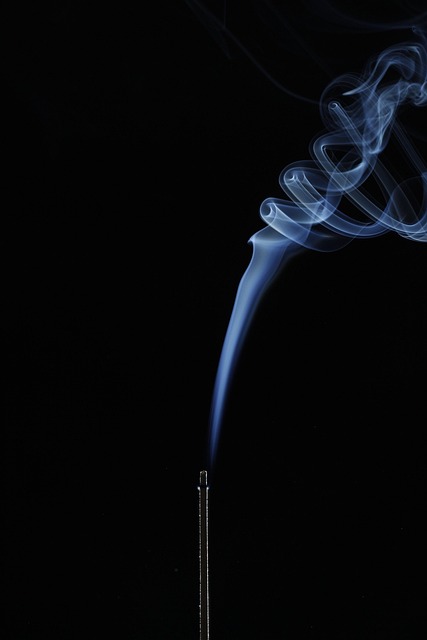
Assessing smoke damage is a crucial step in restoring your space after a smoking event. The unique, persistent nature of smoke odor requires specific strategies for effective removal. While some methods involve chemical agents, there are natural approaches to smoke odor removal that can significantly improve air quality and create a healthier environment. For instance, using activated charcoal or essential oils like lemon, peppermint, and eucalyptus can help absorb and neutralize odors naturally.
In cities like Dallas, St. Louis, and Miami, where home odor elimination services are readily available, professionals often recommend a multi-step process to address smoke scent removal. This involves assessing the extent of damage, implementing specialized cleaning techniques, and employing air purification systems to ensure clean air after smoking events. For instance, Property Restoration of the Capital Region uses advanced technologies like ozone treatment and negative ion generators to break down smoke particles and odors at their molecular level.
The challenge lies in identifying hidden sources of smoke residue, especially in hard-to-reach areas like vents, walls, and furniture fabrics. Experts suggest testing different areas with odor-neutralizing agents before committing to a full-scale restoration. This strategic approach ensures that every nook and cranny is treated effectively, minimizing the risk of lingering odors. By combining natural remedies and professional services tailored to specific locations, homeowners can restore their spaces to a state of fresh, clean air, enhancing both comfort and indoor air quality.
Natural Solutions for Smoke Odor Removal

Removing smoke odor naturally is a preferred and effective approach to revitalizing your space after smoking. While traditional methods often rely on strong chemicals, there are numerous eco-friendly alternatives that can achieve remarkable results. The key lies in understanding how odors cling to surfaces and implementing specific natural strategies for their removal.
Smoke scent removal services, like those offered by expert fumigators, have evolved to incorporate natural solutions alongside conventional techniques. For instance, in St. Louis, Property Restoration of the Capital Region has honed its fire damage deodorization process to include plant-based enzymes that break down odor-causing compounds effectively. In Portland, professionals utilize activated carbon and ionizers, which attract and trap airborne molecules, including smoke particles, leaving behind a fresh, clean scent. These methods demonstrate that natural smoke odor removal is both viable and powerful.
The science behind these techniques involves employing substances like lemon essential oil, known for its potent antimicrobial and deodorizing properties. In one study, lemon oil was shown to reduce cigarette smell by up to 75% in just a few hours. Additionally, baking soda and vinegar can be used as natural absorbents, neutralizing odors and leaving behind a fresh aroma. When combined with proper ventilation and the use of air purifiers, these natural solutions can greatly enhance smoke odor removal in homes and businesses alike.
Practical steps include thoroughly cleaning all surfaces with warm soapy water to remove residue, then using a mixture of vinegar and water to wipe down walls, ceilings, and furniture. For fabric items like upholstery or curtains, natural deodorizers like baking soda or charcoal can be sprinkled on and left to absorb odors before vacuuming. While these methods may require more time and effort than commercial products, they offer a safer, healthier alternative for smoke odor removal naturally without compromising quality.
Deep Cleaning and Prevention Strategies

Restoring your space after smoking involves more than just eliminating visible residue—it's about deep cleaning and implementing prevention strategies to restore a fresh breathing space. Smoke odor removal naturally is a key component of this process, as smoke particles can embed themselves in fabrics, walls, and air ducts. A study by the Environmental Protection Agency (EPA) found that even after cleaning, some smoke residues can remain, leading to persistent odors. Therefore, a multi-step approach is necessary. Begin with thorough ventilation to disperse residual smoke and humidity. Use natural deodorizers like baking soda, charcoal, or white vinegar to absorb odors. For instance, spritzing white vinegar on affected areas and leaving it to dry can significantly reduce smoke smells.
Local fire restoration services, such as those in Baltimore, Sacramento, and Cincinnati, employ advanced techniques for air purification after fire damage. These include HEPA filtration systems that trap fine particles and allergens, ensuring cleaner air quality. Additionally, professionals use ozone generators, which oxidize and eliminate odors at a molecular level, though proper usage guidelines must be followed to avoid health risks. Property Restoration of the Capital Region, for example, offers specialized services tailored to these needs, focusing on not just repair but also complete odor removal.
Beyond cleaning, prevention is crucial. Regular deep cleaning routines can help deter future smoke buildup. Invest in high-quality air purifiers with HEPA filters for continuous protection. Keep windows open when cooking or using fireplaces to prevent smoke accumulation. Additionally, consider smoking outside or in designated areas to minimize indoor exposure. By combining these strategies—natural odor removal techniques, professional fire restoration services (e.g., local experts in Baltimore, Sacramento, Cincinnati), and proactive prevention measures—you can effectively restore your space after fire damage and enjoy a fresh, healthy environment.
By meticulously assessing and preparing your space, understanding smoke damage, and employing natural solutions for smoke odor removal, you can effectively restore your environment to a fresh state. The article has provided comprehensive insights into deep cleaning techniques and prevention strategies, empowering you to take proactive measures. Key takeaways include the importance of ventilation, using natural deodorizers like essential oils and baking soda, and addressing hidden sources of smoke residue. Through these practical next steps, you can not only eliminate unwanted odors but also create a healthier living or working environment. Restoring your space is more than just cleaning; it's about reclaiming your sanctuary and ensuring the air you breathe is pure and free from the remnants of smoking.