
Smoke odor removal requires a strategic approach. While natural methods like essential oils and absorbents offer temporary relief, severe cases demand professional cleaning services. Key steps include source control, ventilation, specialized equipment, deodorizing agents, and drying to prevent microbial growth. Natural techniques like activated carbon filters, baking soda, and charcoal trap VOCs. Advanced methods such as ozone treatment and infrared heating ensure safe, eco-friendly smoke odor removal naturally in various cities.
In the realm of home maintenance, addressing persistent smoke odor removal naturally has become a paramount concern for many. The lingering scent of cigarettes, whether from casual smoking or secondhand exposure, can leave an unwelcome mark on spaces, posing challenges for both homeowners and renters alike. Effective smoke odor removal transcends mere aesthetics; it's about reclaiming breathable environments and restoring comfort. This article delves into the science behind cigarette odors, explores natural remedies for smoke odor removal, and provides actionable strategies to restore fresh air in homes affected by tobacco residue.
- Understanding Smoke Odor: Causes and Impact
- Natural Methods for Efficient Cigarette Smell Removal
- Step-by-Step Guide: Implementing Effective Strategies
- Long-Lasting Solutions: Preventing Future Odor Intrusion
Understanding Smoke Odor: Causes and Impact
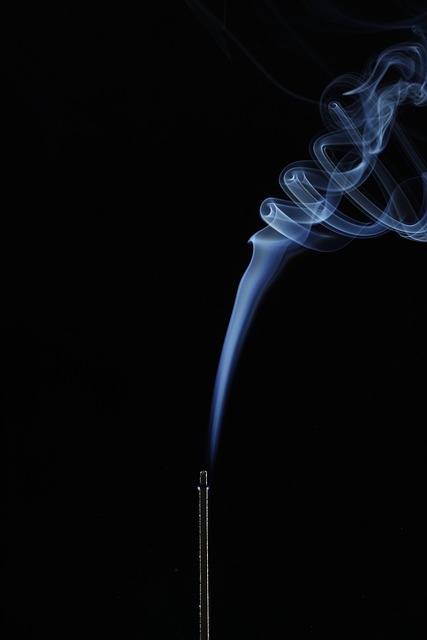
Smoke odor, often referred to as smoke smell or cigarette scent, is a complex issue that arises from various sources—from burning tobacco products to cooking fires. Understanding the causes of smoke odor is paramount in the quest for effective removal. When cigarettes are smoked, they release a myriad of chemicals and compounds into the air, many of which have strong, long-lasting scents. These include volatile organic compounds (VOCs) like aldehydes, benzene, and toluene, as well as tar and other byproducts of combustion. The impact of smoke odor is multifaceted; it not only affects indoor air quality but can also leave persistent stains on surfaces, trigger allergies and respiratory issues, and significantly reduce a space's overall appeal.
The challenge in removing smoke odor lies in the tenacity of these compounds. They tend to adhere to walls, ceilings, floors, fabrics, and even furniture, making complete elimination without professional intervention a difficult task. This is where specialized services come into play, such as those offered by experts like Property Restoration of the Capital Region. For instance, in San Antonio, many residents seek air freshener for smokers to mitigate the lingering scent. In Detroit, specialists in post-fire cleaning are often called upon to restore indoor air quality after fires, which can leave behind not only smoke but also soot and other hazardous debris. Similarly, in San Diego, restoration services are crucial in navigating the aftermath of fires, ensuring safe and livable spaces for affected residents.
Natural smoke odor removal techniques, while appealing, have their limitations. Common methods like using essential oils or baking soda may mask odors temporarily, but they often fail to address the root cause. For lasting solutions, it's essential to consider professional cleaning and restoration services. These experts employ advanced equipment and proven methodologies to thoroughly clean affected areas, remove contaminants, and restore the space to its pre-smoke odor state. By understanding the causes of smoke odor and turning to specialized cleaners, homeowners can ensure not just the removal of unpleasant scents but also the preservation of their indoor environments' health and integrity.
Natural Methods for Efficient Cigarette Smell Removal
The lingering smell of smoke after a fire can be a persistent problem, but there are effective natural methods for smoke odor removal to restore your space. While professional fire damage restoration services like those offered by local providers in San Francisco, Cincinnati, and Dallas are invaluable for extensive fires, many homeowners seek affordable solutions for smoke odor elimination, especially post-fire air purification in smaller areas.
One of the most common natural remedies involves using essential oils. Scented substances known for their antimicrobial properties, these oils can effectively combat the bacteria that contribute to smoke odors. For instance, lemon oil and tea tree oil are popular choices due to their ability to freshen air spaces naturally. Diffusing these oils in affected areas or mixing them with water and spray bottles allows for easy application. This method is particularly beneficial for targeted smoke odor removal in specific rooms or high-odor zones.
Another powerful natural approach involves the use of activated carbon. Known for its ability to absorb toxins, carbon can be an effective tool in air purification after fire damage, especially in Cincinnati homes where smoke odors tend to linger. Carbon filters can be installed in ventilation systems or as standalone air purifiers to capture and remove airborne contaminants, resulting in cleaner, fresher indoor environments. Property Restoration of the Capital Region, for example, emphasizes the importance of thorough smoke odor removal and offers guidance on selecting appropriate carbon-based solutions.
In addition to these methods, proper ventilation is crucial for smoke odor removal naturally. Opening windows and doors allows fresh air to circulate, diluting and dispersing odors over time. This simple yet effective technique can significantly improve indoor air quality in Dallas homes post-fire. Additionally, using natural absorbents like baking soda or charcoal in affected areas can help draw out residual smells before sealing the spaces with fresh, scented materials.
Step-by-Step Guide: Implementing Effective Strategies

Removing cigarette smoke odor naturally is a meticulous process requiring a multi-layered approach. While immediate cleaning can mask smells temporarily, effective smoke odor removal involves addressing the source, using natural deodorizers, and implementing thorough ventilation.
Start by identifying and eliminating the source of smoke exposure, such as damaged filters or unventilated spaces. Next, employ powerful yet safe natural deodorants like baking soda, charcoal, and white vinegar. Sprinkle these agents on affected areas, let them absorb odors for several hours, then vacuum thoroughly. For persistent smells, consider using essential oils known for their air-purifying properties, like lemon, lavender, or eucalyptus. Diffusing these oils can help neutralize smoke odors in smaller spaces.
In cases of severe fire damage and acrid smoke residue, professional intervention is crucial. Companies specializing in fire damage deodorization, like Property Restoration of the Capital Region, employ advanced techniques to tackle large-scale odor removal. These professionals understand that smoke odors penetrate walls, ceilings, and even structural materials, necessitating a comprehensive strategy tailored to each unique situation.
For instance, in Boston or Atlanta, where homes and buildings are tightly sealed for energy efficiency, smoke particles can become trapped indoors, leading to prolonged odors. In such cases, it's essential to rely on experts who use state-of-the-art equipment and products designed to reach deep into affected materials, ensuring complete smoke odor removal.
Long-Lasting Solutions: Preventing Future Odor Intrusion

Preventing future odor intrusion is a crucial step in effective cigarette smoke removal. While many methods focus on immediate odour neutralization, long-lasting solutions require a deeper understanding of how smoke penetrates surfaces and lingers in the air. In urban areas like Columbus, Houston, and Minneapolis, where apartments are tightly sealed for energy efficiency, smoke odor can persist for extended periods, necessitating specialized approaches. One natural method involves using activated carbon filters or natural absorbers like baking soda, charcoal, or essential oils. These materials effectively trap volatile organic compounds (VOCs) responsible for the lingering smell.
For severe cases of smoke damage, restoring living areas requires a multi-step process. In Houston, for instance, professional property restoration services often begin with a thorough cleaning to remove visible residue and debris. Afterward, specialized equipment is used to extract remaining odors from carpets, furniture, and walls. This step is particularly important because even after visible signs of smoke have dissipated, molecular remnants can still emit an unpleasant smell. After extraction, a deodorizing agent—whether natural or commercial—is applied to neutralize any residual odor molecules.
In the Capital Region, Property Restoration of the Capital Region emphasizes the importance of drying out affected areas thoroughly before beginning the odour removal process. Moisture is a key factor in promoting microbial growth, which can exacerbate smoke damage by producing additional unpleasant odors. Once the area is dry, professionals can employ advanced techniques like ozone treatment or infrared heating to eliminate hard-to-reach odors. These methods are safe and environmentally friendly alternatives to harsh chemicals, ensuring that living spaces not only look but also smell fresh again.
To overcome persistent cigarette smells in Minneapolis, it's essential to address multiple surfaces and air pockets. This might include washing curtains and blinds, replacing filters in HVAC systems, and even sealing gaps around doors and windows to prevent new odors from entering. Regular cleaning with natural deodorizers like vinegar or citrus fruits can also help maintain a fresh environment. By combining these strategies, residents can not only remove existing smoke odors but also create an environment less susceptible to future intrusion of unpleasant smells.
Through a comprehensive exploration of smoke odor removal naturally, this article has unveiled powerful strategies to combat persistent cigarette smells. By understanding the causes and impact of smoke odor, readers have gained insights into the intricate web of chemical reactions that create such stubborn scents. The natural methods section offered ecologically sound solutions, demonstrating that effective smoke odor removal doesn't require harsh chemicals. The step-by-step guide provided actionable advice for immediate relief, while long-lasting solutions underscored the importance of prevention. Armed with these key learnings, readers are now equipped to tackle cigarette smell challenges head-on, enjoying cleaner, fresher spaces naturally.