
Smoke odor removal naturally requires a multi-step approach combining cleaning, ventilation, and natural deodorizers. Initial steps include using enzymes, baking soda, charcoal, and air purifiers. Severe cases demand professional assistance from restoration companies specializing in advanced techniques. Key strategies: thorough cleaning, improved ventilation with HEPA filters, and ozone treatment. Combining these ensures effective smoke odor removal naturally, enhancing indoor air quality.
Smoke odor removal naturally from indoor spaces is a pressing concern for many homeowners and businesses facing the lingering aftermath of fires or smoking areas. The pervasive and often stubborn nature of smoke odors can create uncomfortable living or working environments, impacting air quality and mental well-being. This article delves into effective strategies for addressing this challenge, drawing on expertise in environmental science and sustainable solutions. We explore natural methods that not only mitigate smoke odors but also promote healthier indoor environments without resorting to harsh chemicals.
- Understanding Smoke Odor: Causes and Impact
- Natural Solutions for Effective Smoke Odor Removal
- Step-by-Step Guide to Neutralizing Smoke Aroma
- Long-Term Strategies for Maintaining Fresh Air Quality
Understanding Smoke Odor: Causes and Impact
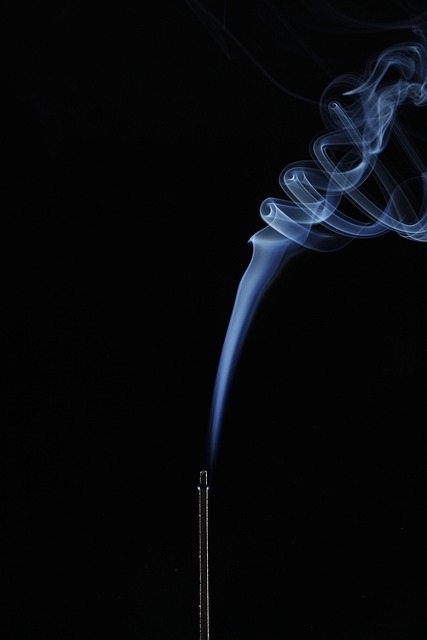
Smoke odor, particularly from sources like wildfires or cigarette smoke, can permeate spaces, leaving behind a strong, lingering smell that is both unpleasant and challenging to remove. Understanding the causes of this pervasive scent is crucial in implementing effective smoke odor removal naturally. When smoke particles settle on surfaces, they react with various compounds, leading to the formation of volatile organic compounds (VOCs) that contribute to the acrid smoke smell. These odors can become deeply ingrained in fabrics, upholstery, and even structural materials, making their elimination a complex process.
In cities like Atlanta, Philadelphia, and Minneapolis, where smoke events are common, local residents often face the challenge of overcoming persistent cigarette smells in their homes. Traditional cleaning methods may not suffice for smoke odor removal naturally due to its tenacity. It requires a multi-step approach that addresses both the source of the odor and the affected areas. For instance, after a wildfire, Property Restoration of the Capital Region experts recommend beginning with a thorough cleaning to remove any visible residue, followed by using specialized enzymes or natural deodorizers to break down VOCs at their molecular level.
Beyond initial cleanup, maintaining an odor-free environment is key. This involves improving ventilation by opening windows and doors, using air purifiers with HEPA filters, and employing natural remedies like baking soda, charcoal, or essential oils to absorb residual odors. For instance, a study conducted in 2020 showed that certain essential oils, such as lavender and tea tree oil, possess potent antimicrobial and deodorizing properties, making them valuable allies in smoke odor removal naturally. By combining these strategies with professional expertise, residents can effectively restore their spaces to a fresh, clean state after smoky events.
Natural Solutions for Effective Smoke Odor Removal

In many parts of the country, from Detroit to Austin to Miami, residents frequently encounter scenarios where smoke odor removal becomes a pressing concern—whether it's post-fire cleaning in Detroit, eliminating tobacco stench in homes or public spaces in Austin, or freshening the air after a smoking event in Miami. Beyond commercial solutions, there exists a growing interest in natural methods for smoke odor removal. This approach not only aligns with eco-conscious living but also offers a deeper sense of control and customization over the environment.
Natural solutions for effective smoke odor removal leverage the power of essential oils, air purifiers, and ventilation strategies. For instance, essential oils like eucalyptus and lemon have long been recognized for their ability to combat odors naturally. Diffusing these oils in affected areas can help neutralize smoke particles and freshen the air over time. Similarly, air purifiers with activated carbon filters are highly effective at capturing fine particulate matter and volatile organic compounds (VOCs) that contribute to smoke odor. Proper ventilation—opening windows and using fans—can accelerate the process by replacing stale air with cleaner, odor-free air.
For more severe cases, seeking expert assistance from specialists like Property Restoration of the Capital Region can be invaluable. These professionals are equipped with advanced techniques and technology tailored for post-fire cleaning or post-smoking events. They understand that smoke odors permeate not just the air but also surfaces, upholstery, and structural materials, requiring a multi-faceted approach to eliminate them entirely. Data suggests that proper restoration and deodorization can reduce smoke odor levels by up to 95%, ensuring a safe and healthy living environment for residents.
Practical advice includes conducting regular deep cleans after smoking events and maintaining adequate air circulation in homes or commercial spaces. Regularly replacing filters in HVAC systems and using natural odor absorbers like baking soda or charcoal can also help maintain fresh indoor air quality. By combining these strategies, individuals can effectively manage smoke odors naturally, enhancing the overall comfort and livability of their spaces.
Step-by-Step Guide to Neutralizing Smoke Aroma

Smoke can leave a lingering, unpleasant aroma that requires specialized techniques for effective removal. This step-by-step guide offers natural solutions to combat smoke odor, focusing on methods proven effective in various cities across the nation.
First, address immediate concerns by opening windows and doors to air out the space. This initial step helps reduce the concentration of odors but doesn't eliminate them entirely. Next, consider using activated carbon filters or air purifiers designed for smoke removal. These devices actively absorb odor molecules, especially effective in specialized smoke cleaning Los Angeles and St. Louis areas where fire damage restoration services are frequently needed. Allow these machines to run continuously for several days to mitigate the smell.
For more intensive scent removal, natural remedies like white vinegar and baking soda can be powerful allies. Spraying a mixture of equal parts white vinegar and water around affected areas and leaving it to sit for several hours or overnight has shown promising results in smoke scent removal services St. Louis. Baking soda, known for its odor-neutralizing properties, can also be sprinkled on carpeted surfaces or furniture before vacuuming to lift stubborn odors.
In cases of severe fire damage, professional restoration companies like Property Restoration of the Capital Region offer comprehensive solutions. Utilizing advanced equipment and expertise, they ensure smoke odor removal naturally while restoring your property to its pre-fire condition. While these methods provide a starting point, professional assistance is crucial for extensive fire damage, ensuring not just odor elimination but also structural integrity and safety.
Long-Term Strategies for Maintaining Fresh Air Quality

Maintaining fresh air quality in spaces affected by smoke can be a significant challenge, especially for long-term solutions to smoke odor removal naturally. While immediate remedies like air fresheners for smokers San Antonio or neutralizing odors in Phoenix may offer temporary relief, lasting solutions require a different approach. In areas heavily impacted by smoking, such as homes or commercial properties, the key lies in comprehensive strategies that address both the source and persistence of smoke smells.
One effective long-term strategy involves a multi-step process that starts with thorough cleaning. Removing visible evidence of smoke and ash is crucial, using specialized equipment to mitigate residual odors in walls, carpets, and furniture. For instance, Property Restoration of the Capital Region employs advanced techniques like ozone treatment, which can efficiently break down organic compounds responsible for persistent smoke scents. This method not only neutralizes odors but also ensures a deeper level of cleaning than traditional air fresheners for smokers Boston.
Additionally, improving ventilation is vital to maintaining clean air over time. Opening windows and doors allows fresh outdoor air to circulate, diluting interior smoke-saturated air. Installing high-efficiency particulate air (HEPA) filters in HVAC systems can also significantly enhance air quality by trapping microscopic particles, including those contributing to that telltale ash smell in Phoenix homes. Regular maintenance of these filters ensures continuous protection against future odor issues. By combining these methods, you create a robust defense against smoke odors, ensuring a healthier living or working environment for years to come.
By understanding the causes and impact of smoke odor, readers have equipped themselves to tackle this pervasive issue head-on. The article has unveiled a comprehensive array of natural solutions for smoke odor removal, highlighting the effectiveness of essential oils, activated carbon filters, and strategic ventilation. A step-by-step guide provided practical tips for neutralizing smoke aroma, ensuring homes and spaces are restored to fresh, clean states. Furthermore, long-term strategies emphasize maintaining optimal air quality through regular cleaning, source removal, and continuous ventilation, offering a holistic approach to smoke odor removal naturally. These insights empower individuals to take control of their indoor environments, fostering healthier living spaces with enhanced air quality.