![Eradicate Smoke Odor: Natural Removal Techniques for [City, State]](https://respectedbusinesses.com/wp-content/uploads/2026/06/smoke-odor-removal-640x480-21129987.jpeg)
Smoke odor removal naturally involves advanced techniques from professional services or natural solutions like activated carbon, essential oils, and enzymes. After fire or smoke damage, a systematic approach combines improved ventilation, source identification, natural absorbers, thorough cleaning with eco-friendly products, and white vinegar to break down odors. This process restores indoor environments in cities like Boston, San Diego, and St. Louis, ensuring health and well-being.
In the bustling metropolis of [City, State], smoke odor removal is more than just a cleaning convenience—it's a necessary step towards reclaiming indoor spaces affected by cigarette smoke, wildfires, or industrial emissions. Smoke and its lingering odors can permeate fabrics, walls, and air ducts, creating an unpleasant environment that impacts quality of life. Fortunately, natural methods for smoke odor removal offer safe, effective solutions without resorting to harsh chemicals. This article delves into the most proven techniques, providing homeowners and professionals alike with practical guidance for restoring breathability and freshness to their living and working spaces.
- Understanding Smoke Odor: Sources and Impacts
- Natural Solutions: Effective Smoke Odor Removal Techniques
- Step-by-Step Guide: Eliminating Smoke Odor Naturally
Understanding Smoke Odor: Sources and Impacts
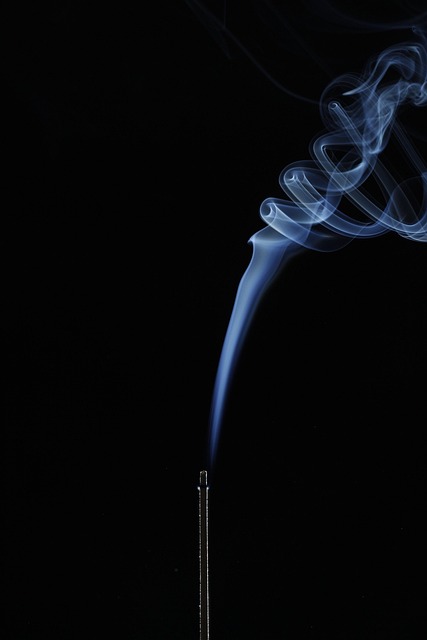
Smoke odor, a persistent and often overpowering presence after a fire, is more than just an inconvenience; it can profoundly impact indoor environments. Understanding where these odors originate and how they affect spaces is crucial for effective smoke odor removal. The process of removing these scents involves addressing not only the visible damage but also the subtle, yet powerful, remnants that linger in textiles, wall surfaces, and even structural materials.
Fire events release a complex mix of chemicals into the air, including volatile organic compounds (VOCs), which can include toxic gases and particulate matter. These substances are responsible for the characteristic smoke smell. In residential or commercial spaces, various factors contribute to the severity of the odor, such as the type of materials burned, the intensity of the fire, and ventilation levels during and after the incident. For instance, synthetic fabrics and certain types of furniture can emit strong odors for extended periods, while natural materials may have a more subtle impact.
Restoring indoor air quality after a fire in cities like San Diego or St. Louis requires a systematic approach. Professional smoke odor removal services, such as those offered by experts in Boston, typically employ advanced techniques and products to neutralize and eliminate these scents. This process often includes thorough cleaning, the use of specialized enzymes or chemicals to break down odors at a molecular level, and implementing ventilation strategies to purge remaining contaminants. For example, Property Restoration of the Capital Region offers comprehensive services that not only address structural damage but also utilize state-of-the-art odor removal technology to restore homes and businesses to their pre-fire condition, ensuring safe and healthy indoor environments for occupants.
Natural Solutions: Effective Smoke Odor Removal Techniques

In the aftermath of a fire or smoke damage, restoring your indoor environment to a fresh, clean state is paramount. Natural solutions for smoke odor removal offer a safe, eco-friendly approach to reclaiming your living spaces in cities like Sacramento and St. Louis. The key to effective smoke scent removal lies not only in eliminating the source but also in understanding the chemistry behind odour retention. Smoke odors permeate surfaces, textiles, and air ducts, making comprehensive decontamination essential.
One of the most powerful natural allies in this process is activated carbon. Known for its exceptional absorption properties, carbon can draw out and neutralize smoke-related compounds from materials like walls, furniture, and even ventilation systems. Services offering smoke odor removal naturally in San Diego and beyond often employ this technique as a cornerstone of their restoration processes. For instance, Property Restoration of the Capital Region leverages advanced carbon treatments alongside meticulous cleaning to restore smoky walls and revive indoor air quality.
Beyond carbon, essential oils and enzyme-based products have proven effective in combating smoke odors. These natural enzymes break down odour-causing molecules at a molecular level, leaving behind fresh, clean scents. Combining these enzymatic cleaners with ventilation strategies—such as opening windows and utilizing fans to circulate fresh air—can significantly accelerate the decontamination process. By employing these natural solutions, residents of Sacramento, St. Louis, and San Diego can restore their homes to pre-fire conditions, enjoying not only visually restored spaces but also revitalized indoor environments that promote health and well-being.
Step-by-Step Guide: Eliminating Smoke Odor Naturally

Removing smoke odor naturally is a meticulous process that requires patience and an understanding of effective methods. Whether you're dealing with the lingering scent of a kitchen fire in Cleveland, the acrid smell from a smoking incident in Atlanta, or trying to refresh your home after a fire in New York City, a systematic approach can significantly improve air quality. This guide offers practical steps for addressing smoke odor removal naturally, focusing on techniques that not only mask but also eliminate the source of the unpleasant aroma.
Start by opening windows and doors to facilitate airflow. While this may seem simple, it's an essential first step in diluting indoor air pollutants. Next, identify and address the source of the smoke. If possible, remove affected items like furniture or carpets that have absorbed the odor. For instance, soiled materials might require professional cleaning services, such as those offered by Property Restoration of the Capital Region, to ensure thorough decontamination. After addressing the source, move on to natural odor absorbers. Materials like activated charcoal, baking soda, and essential oils are known for their ability to trap odors. Place these absorbents in affected areas, allowing them to work for several hours or even days, depending on the severity of the smoke damage.
The next step involves a thorough cleaning. Use non-toxic, environmentally friendly cleaning products to wipe down surfaces and vacuum floors. Pay close attention to areas where smoke tends to accumulate, such as corners and nooks. Consider using white vinegar for its natural cleaning properties, which can help break down residual odor molecules. Lastly, don't underestimate the power of time and ventilation. Even after implementing these steps, odors may persist briefly. Allow fresh air to circulate naturally, and over time, the combined effect of airflow, natural absorbents, and thorough cleaning should significantly reduce and ultimately eliminate the smoky smell in your home.
By understanding the sources and impacts of smoke odor, this article has equipped readers with a comprehensive set of tools for effective smoke odor removal naturally. Key insights include the importance of identifying the source, utilizing natural ventilation, and employing powerful yet safe odour-neutralizing techniques like baking soda, vinegar, and essential oils. The step-by-step guide offers practical actions to take, ensuring that homeowners can tackle this common issue with confidence and success. With these strategies in hand, folks can breathe easier and enjoy their spaces free from unwanted smoke odors.