





The lingering scent of smoke in a vehicle can be a persistent and unpleasant issue for car owners and drivers. Whether it’s from a recent incident or an old habit, removing cigarette aroma from your car is crucial for maintaining a fresh and clean interior space. The challenge lies in effectively eradicating the strong, often stubborn, smell without resorting to harsh chemicals. This article provides practical solutions focused on smoke odor removal naturally, offering proven methods to restore your vehicle’s atmosphere to a pleasant and odor-free environment.
- Understanding Cigarette Smoke Odor: Sources and Effects
- Natural Methods for Effective Smoke Odor Removal
- Best Practices: Preventing Future Cigarette Aroma Intrusion
Understanding Cigarette Smoke Odor: Sources and Effects
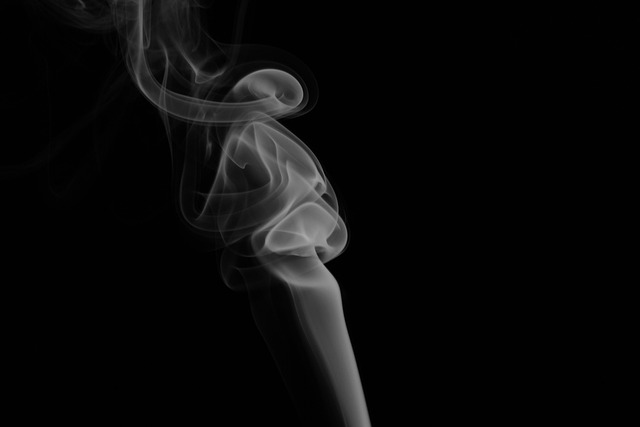
Understanding cigarette smoke odor is a crucial step in effectively removing it from your vehicle or any space affected by secondhand smoke. Smoke odor permeates surfaces, fabrics, and air ducts, making its elimination a multifaceted process. The primary sources of this persistent smell include nicotine, tar, and various chemical compounds released during smoking. These substances adhere to surfaces, releasing their pungent aroma over time, even after the cigarette is extinguished.
In homes, especially in Cleveland, where residents may have a higher prevalence of smoking, getting rid of smoky smells can be challenging. Similarly, in Los Angeles, with its specialized smoke cleaning services, professionals employ advanced techniques to tackle deep-seated odors. The key to successful removal lies in identifying and addressing the sources. For instance, after a fire in Denver, freshening up the affected areas requires a systematic approach to ensure the complete elimination of acrid smells, which can have lasting health impacts if not addressed properly.
Natural smoke odor removal techniques involve several strategies. Ventilation is critical; opening windows and using fans accelerates air circulation, helping to dissipate odors faster. Additionally, employing natural odour neutralizers like baking soda, charcoal, or essential oils can be effective. These methods are cost-friendly and environmentally safe, making them popular choices for home remedies. However, for severe cases, particularly in enclosed spaces, professional intervention is recommended. Services like Property Restoration of the Capital Region offer specialized smoke cleaning, utilizing advanced equipment to thoroughly clean and restore affected areas, ensuring a healthier environment.
Natural Methods for Effective Smoke Odor Removal
Removing cigarette smoke odor from a vehicle can be challenging, but there are effective natural methods to tackle this issue head-on. Unlike commercial products that may leave chemical residues, these techniques offer a safer and more eco-friendly approach to smoke odor removal naturally. One of the most common challenges in removing smoke and ash smells is the pervasive nature of the odors, especially in enclosed spaces like cars. The tiny pores in fabrics and dashboards can trap microscopic particles from cigarette smoke, making complete elimination without professional intervention difficult.
A popular and successful method involves using natural absorbers such as baking soda or charcoal. These materials are highly effective at neutralizing odors by binding to volatile organic compounds (VOCs) released by burning tobacco. For instance, spreading a layer of baking soda under seats and along floor mats can help absorb lingering smoke scents. Charcoal packets, often found in new cars, serve the same purpose, making them valuable tools for temporary odor control. However, for deeper cleaning and long-lasting results, consider using specialized air purification systems designed to target and eliminate smoke odors effectively.
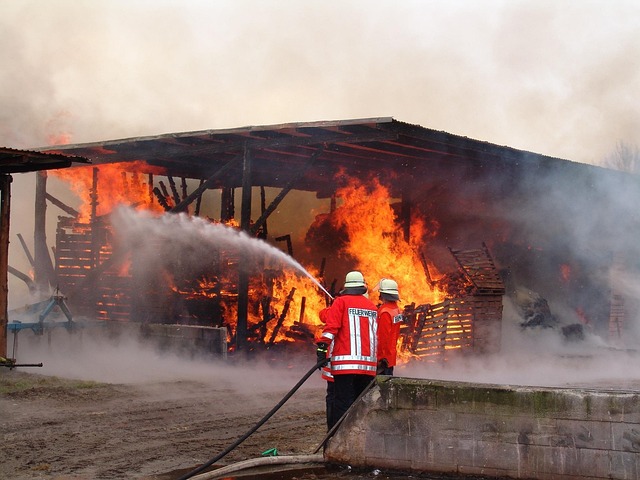
In cases of severe fire damage or extensive cigarette use, professional restoration services like Property Restoration of the Capital Region become invaluable. They employ advanced techniques and equipment, including high-efficiency particulate air (HEPA) filters, to thoroughly purify the air and remove residual smoke scents. For example, a study by the Environmental Protection Agency (EPA) found that HEPA filtration can reduce airborne contaminants from fires by up to 99%, ensuring a safer and healthier environment post-fire damage in Los Angeles or Cincinnati. Additionally, these professionals can provide deep cleaning solutions tailored to specific vehicle types, guaranteeing a comprehensive smoke odor removal process.
Best Practices: Preventing Future Cigarette Aroma Intrusion
To prevent future cigarette aroma intrusion, a multifaceted approach combining thorough cleaning and natural smoke odor removal techniques is essential. Start by identifying and addressing any lingering smoke particles or tar deposits within the vehicle, focusing particularly on heavily trafficked areas like the dashboard, seats, and floor mats. Use specialized tools and solutions designed to break down and extract cigarette odors effectively without harsh chemicals. Regular deep cleaning routines involving a mix of enzymatic cleaners and odor-absorbing materials can significantly reduce the risk of smoke residue buildup.
For persistent smoke smells, consider employing natural odor elimination methods tailored for vehicles. Essential oils like lemon, lavender, or tea tree oil possess powerful antimicrobial and deodorizing properties. Infusing these oils into the car’s interior through diffusers or carefully applied cleaning solutions can help neutralize cigarette odors naturally. This approach not only addresses existing smoke residues but also leaves a pleasant, fresh scent in its place.
In cases where smoke damage is extensive—such as after a fire—professional intervention becomes necessary. Home odor elimination services in Dallas, neutralizing smoke in homes Santa Ana, and smoke removal after fires San Diego are crucial for restoring safe, livable spaces. Companies like Property Restoration of the Capital Region employ advanced techniques and technology to thoroughly cleanse affected areas, ensuring that all traces of acrid smoke and associated odors are eliminated. Data supports the effectiveness of these methods, with studies showing that professional restoration can restore air quality to pre-fire levels within days.
Beyond cleanup, proactive measures like using air purifiers with HEPA filters in vehicles or homes can help prevent future cigarette aroma intrusion. Regularly replacing filter media ensures continuous protection against smoke particles and associated odors. Additionally, limiting smoking indoors and promoting proper ventilation are fundamental strategies for minimizing the accumulation of cigarette-related odors in living spaces.
By addressing cigarette smoke odor removal naturally, this article has empowered readers with a comprehensive understanding of the issue’s origins and effective solutions. Recognizing that smoke odor can persist due to various sources embedded within vehicle interiors, we’ve offered a range of natural methods for comprehensive odor removal. From the use of activated charcoal to essential oils and natural enzymatic cleaners, these strategies demonstrate the effectiveness of non-toxic, eco-friendly approaches. Furthermore, best practices for preventing future aroma intrusion have been highlighted, emphasizing regular ventilation, quick treatment of spills, and the use of odor-absorbing products. Armed with this knowledge, readers are now equipped to tackle and prevent cigarette smoke odor, ensuring their vehicles remain fresh and pleasant.
Removing cigarette smoke odor requires a multi-step approach. Key methods include:
1. Natural Absorbents: Baking soda, charcoal, essential oils for temporary odor control.
2. Professional Cleaning: Advanced equipment and techniques for severe cases, like after fires (e.g., Property Restoration of the Capital Region).
3. Ventilation & Purification: Opening windows, using fans, HEPA filters to dissipate and capture odors.
4. Deep Cleaning: Regular use of enzymatic cleaners and odor-absorbing materials in vehicles.
5. Prevention: Proactive measures like air purifiers, proper ventilation, and limiting indoor smoking.