
Smoke odor removal naturally involves targeting volatile organic compounds (VOCs) released by burning materials like tar, nicotine, and ash. Professional services use advanced techniques to neutralize VOCs at the source, especially in urban areas with high fire damage or cigarette odor issues. Natural deodorizers like baking soda, cornstarch, essential oils, and activated charcoal absorb odors. However, for deeply ingrained smells, advanced air purification techniques, deep cleaning, and specialized equipment from professionals are necessary for effective smoke odor removal naturally.
The persistent smell of cigarette smoke can infiltrate homes, cars, and clothing, creating an unwelcome and sometimes hazardous atmosphere. Smoke odor removal is a critical process for maintaining healthy living spaces, especially in non-smoking areas affected by secondhand smoke. While artificial remedies exist, many seek natural solutions to mitigate these odors effectively. This article delves into the science behind smoke odor removal naturally, offering practical insights for achieving fresh environments without resorting to synthetic chemicals. By understanding the methods and mechanisms involved, readers can confidently tackle this common conundrum.
- Understand Smoke Odor Sources
- Prepare for Deep Cleaning
- Natural Odor Absorbents: A Guide
- Implement Air Purification Techniques
- Prevent Recurrence: Long-Term Solutions
Understand Smoke Odor Sources
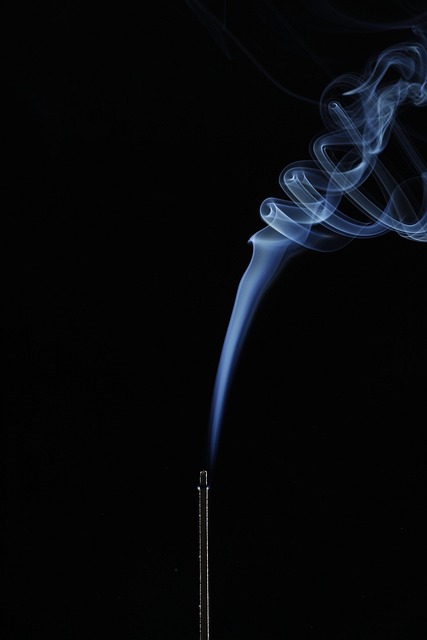
Understanding the sources of smoke odor is a critical step in effectively eliminating it, especially after fire damage or cigarette use. Smoke odor removal naturally involves identifying the various compounds responsible for the persistent smell and employing appropriate strategies to neutralize them. Common sources of smoke include tar, nicotine, and other volatile organic compounds (VOCs) released during burning. These substances can adhere to surfaces, fabrics, and even become embedded in wall coverings and furniture, making complete elimination challenging without professional intervention.
In cities like Cincinnati, Santa Ana, and Denver, where homes may suffer from air purification after fire damage or face cigarette odor problems, the need for efficient smoke odor removal naturally becomes paramount. For instance, a study by the Environmental Protection Agency (EPA) found that even after cleaning, certain types of smoke-contaminated materials can continue to emit VOCs for extended periods, complicating the restoration process. This is why it's crucial to address not just visible damage but also the subtle yet persistent odors left behind.
Property Restoration of the Capital Region offers specialized services tailored to these challenges, employing advanced techniques and products designed to neutralize smoke odor effectively. Beyond mere surface cleaning, their professionals focus on tackling deep-seated odors by targeting VOCs at their source. This comprehensive approach ensures that not only are visible signs of damage repaired but also the lingering scents associated with cigarette smoke or fire damage are eliminated, restoring a fresh and clean environment for residents.
Prepare for Deep Cleaning

Getting rid of cigarette smoke scent requires a thorough deep cleaning process to restore your space to its fresh, odor-free state. This is especially crucial in areas affected by fire or heavy smoke exposure, such as Baltimore, Boston, and Denver, where smoke odor removal naturally becomes a top priority for residents. The first step is to prepare for an extensive clean, focusing on both visible contamination and hidden sources of smell.
Start by removing all burnable materials, including curtains, furniture cushions, and fabrics that have absorbed the smoke. Next, use natural deodorizers like baking soda, white vinegar, or lemon juice to neutralize odors. For instance, a mixture of one part white vinegar to two parts water can be sprayed onto surfaces and left to absorb smells before being wiped clean. In severe cases, particularly after a fire, consider seeking the expertise of professionals in smoke odor removal, such as Property Restoration of the Capital Region, who have the tools and knowledge to tackle deeply ingrained odors effectively.
Ventilate your space thoroughly by opening windows and using fans to introduce fresh air. This step is essential for diluting residual smoke particles and accelerating the restoration process. After ventilation, deep clean every nook and cranny—from floors and baseboards to ceiling fans and light fixtures. Use a vacuum with a HEPA filter to remove fine smoke particles and follow up with a damp cloth or sponge to wipe down surfaces. Regular cleaning products may not be sufficient for neutralizing smoke odors, so invest in enzymatic cleaners designed specifically for breaking down organic compounds that cause smells.
Finally, consider the use of air purifiers equipped with HEPA filters to capture airborne contaminants and actively purify the air. For areas heavily affected by smoke, such as those mentioned earlier, this additional step can significantly speed up the process of overcoming cigarette odor problems. By combining these strategies, you'll be well on your way to reclaiming a breathing space free from lingering smoke scents.
Natural Odor Absorbents: A Guide
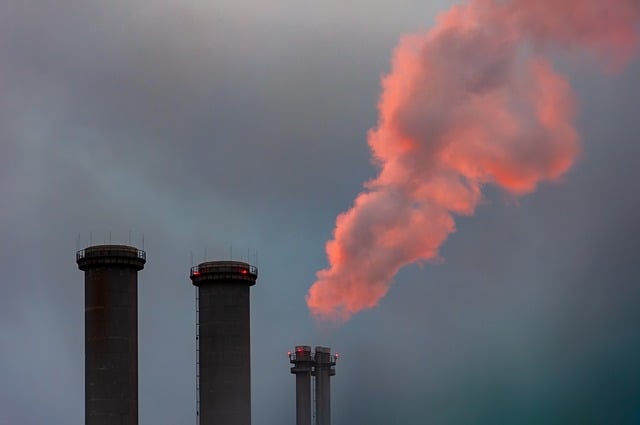
Getting rid of cigarette smoke scent can be a challenge, but natural odor absorbents offer a safe and effective solution for smoke odor removal naturally. After a smoking event, clean air becomes paramount, especially in spaces like homes or offices in cities like Miami where indoor air quality is crucial. The key to successful smoke odor removal lies in understanding the science behind odors and employing natural materials that can neutralize and absorb them.
In cases where removing smoke and ash smells persists, consider using activated charcoal, known for its exceptional ability to trap molecules, including volatile organic compounds (VOCs) responsible for persistent cigarette odors. It's an excellent air freshener for smokers in San Antonio or any urban area, absorbing lingering scents without harsh chemicals. For instance, Property Restoration of the Capital Region has successfully implemented activated charcoal filters in post-smoking cleanup, ensuring a clean and safe environment. Natural absorbents like baking soda and cornstarch can also be used to combat odors by neutralizing them at the source.
Beyond these, essential oils offer both fragrance and antibacterial properties that aid in smoke odor removal naturally. Oils such as lemon, eucalyptus, or tea tree oil not only mask cigarette smells but also contribute to cleaner air circulation. However, it's important to note that while natural methods are effective, they may require more persistence and effort than commercial air fresheners. Data shows that consistent use of these natural absorbents over several days to weeks is typically needed for complete smoke odor removal. Actively circulating clean air through proper ventilation also aids in the process, ensuring a faster and more thorough cleanup after smoking events.
Implement Air Purification Techniques

Getting rid of cigarette smoke scent requires more than just opening a window. While fresh air can help, it often isn't enough to fully remove persistent smoke odors. Implementing effective air purification techniques is crucial for smoke odor removal naturally and thoroughly. This involves employing advanced technologies like activated carbon filters, ionizers, and UV light systems that target and neutralize airborne molecules responsible for the smell.
In cities like New York City, St. Louis, and Dallas—where smoke scent removal services are in high demand—professional restoration companies offer specialized solutions tailored to different environments. For instance, Property Restoration of the Capital Region specializes in post-fire smoke odor removal, using state-of-the-art equipment to not just mask but eliminate odors completely. This meticulous process includes deep cleaning surfaces, replacing contaminated air filters, and utilizing molecularly engineered compounds that attract and absorb odor-causing particles.
Beyond professional services, there are DIY methods to freshen air spaces. Regularly changing air filters in HVAC systems can significantly reduce smoke odor. Additionally, using natural deodorizers like baking soda or essential oils can help. However, for deeply ingrained smells, these measures may not be sufficient. Professional intervention ensures thorough smoke scent removal, protecting your health and restoring your living or working environment to a pleasant, odor-free state.
Prevent Recurrence: Long-Term Solutions

Overcoming cigarette odor problems requires a strategic approach to ensure long-term smoke scent removal. While temporary measures like air fresheners might offer a quick fix, they only mask the issue. To truly conquer this challenge, it's essential to understand the science behind smoke odor and implement natural, effective solutions. The key lies in addressing not just the surface smells but also the underlying residues left by cigarette smoke.
In homes or commercial spaces heavily impacted by smoking, specialized cleaning is often necessary. Services like those offered by Property Restoration of the Capital Region employ advanced techniques tailored to remove both visible ash and subtle, lingering odors naturally. This involves a multi-step process that includes deep vacuuming to eliminate ash particles, followed by targeted cleaning solutions designed to break down smoke compounds. Professional cleaners in Los Angeles understand that different materials absorb and emit odors at varying rates, necessitating customized approaches. For example, while carpeting may require a natural enzymatic cleaner to break down smoke-imbued fibers, hard surfaces can often be treated with a simple mixture of baking soda and vinegar for effective odor removal naturally.
To prevent recurrence, it's crucial to ventilate spaces thoroughly after smoking events and conduct regular deep cleaning. Using fans or opening windows facilitates air circulation, diluting concentrated smoke odors. Additionally, investing in high-quality air purifiers equipped with HEPA filters can significantly reduce airborne particulate matter and associated smells. Regular, meticulous cleaning, combined with proper ventilation, creates an environment that discourages smoke odor return. For spaces in Denver struggling with this issue, seeking expert advice from specialized cleaning services can provide tailored, long-lasting solutions to overcome cigarette odor problems once and for all.
By understanding the sources of smoke odor and employing strategic methods like deep cleaning, utilizing natural odor absorbents, implementing air purification techniques, and adopting long-term solutions, you can effectively address and eliminate cigarette smoke scent. The article has provided a comprehensive guide to smoke odor removal naturally, empowering you with practical steps to transform spaces affected by smoke. These insights not only offer immediate relief from unpleasant odors but also ensure sustained freshness through comprehensive smoke odor prevention strategies.